If you’re fairly familiar with the vitamins and minerals
in the most common fruits and vegetables, you may be aware that in
bananas and avocados, potassium and magnesium are notable ingredients in
both of them. Like all foods, these two powerhouse fruits (because both
are fruits rather than avocados being a vegetable) have many other
things to offer, but scientists have recently announced that both foods
have the potential to prevent heart attacks.
The research was conducted at the University of Alabama and was published in the journal JCI Insight.
1 In fact, scientists have revealed that if you eat a banana and an
avocado every day, you could eat yourself right into protection from
heart disease, or more specifically, the atherosclerosis or hardening of the arteries that often leads to a series of disorders, NDTV
2 reported.
Additionally, it may also lower your risk of arterial blockages, which often necessitate surgery. It’s the
potassium in
these foods that can alleviate a large part of the burden, the study
indicates. The animal study found it reduces vascular calcification, one
of the complications of kidney disease and cardiovascular disease.
Mice were fed alternate diets containing low, normal or high levels
of potassium, and those with the highest levels had substantially more
pliable arteries, while those given lower amounts had much harder
arteries. It works the same way in humans. When you include foods in
your diet that contain good amounts of these minerals, these symptoms
are alleviated, particularly the stiffness in arteries seen as a
precursor to cardiovascular problems.
Problems occur because the stiffness in arteries can cause your heart
to work harder to pump blood through your body. Artery calcification is
just one of the problems that having a consistent amount of adequate
potassium in your diet can help prevent, and all of them are serious and
related conditions:
- Heart disease
- Stroke
- Metabolic syndrome
- Chronic kidney disease (CKD)
- Hypertension
Calcification and What It Means for Your Arteries
Calcification is a buildup of calcium in your tissues, organs or
blood vessels. As it’s in the process of forming, it can call a halt to
the necessary process that keeps your body working as it should.
According to Difference Between:
“Arteriosclerosis is a defect occurring in the artery (blood vessels
carrying oxygenated blood) walls. It refers to hardening of the normally
flexible walls due to loss of elasticity of the arterial musculature.
When young, the arteries are flexible due to the presence of a protein
called elastin.
As age advances, there is loss of this elastin causing thickening of
the arterial walls. Atherosclerosis is another condition that refers to
the deposition of fat plaques and cholesterol globules within the
arteries causing narrowing of the lumen of the arteries.”
3
The scientists noted that vascular smooth muscle cells, or VSMCs, contribute to vascular calcification in
atherosclerosis and
that “Arterial stiffness has become an independent predictor of
cardiovascular morbidity and mortality, representing an important health
problem for the nation as a whole.”
4
According to their research, vascular calcification may be more
culpable in aortic stiffening than scientists originally thought. In
fact, a 2009 study is even titled “Vascular calcification: the killer of
patients with chronic kidney disease.”
5The study noted:
“Previously considered a passive, unregulated, and degenerative
process occurring in the arterial media, vascular calcification has now
been demonstrated to be a highly regulated process of osteochondrogenic
differentiation of vascular cells.”
6 Further,
VSMCs were found to produce “extracellular matrix proteins” that
actually caused the arterial calcification process to happen faster.
People With Less Potassium Have Higher Risks
It’s no secret to the scientists that potassium plays a crucial role
in staving off arterial calcification and related diseases. In fact,
previous studies have made it clear that the association between low
blood potassium levels and death from either chronic kidney disease
7 or metabolic syndrome,
8 while
clear, hasn’t been investigated thoroughly. The study made something
else clear: that “appropriate dietary potassium intake improves those
pathological conditions.”
9
The researchers also noted that, whereas the direct influence of
dietary potassium on the development of vascular calcification in
atherosclerosis hadn’t yet been “established and characterized,” for the
first time they’d been able to produce evidence that potassium was the
key. While consuming too much of it can cause problems, too, such as a
stomachache, nausea and/or diarrhea, according to International Business
(IB) Times,
10 it’s clear that what you eat directly influences your risk of these serious diseases.
That’s why, for these diseases, especially,
bananas and
avocados are two of the foods containing the potassium that can lower
your risk. In response to the study’s findings, Dr. Mike Knapton from
the British Heart Foundation observed that “With more research, we might
be able to see if the disease forms in humans in a similar way and
develop treatments.”
11
Magnesium and Potassium: Interrelationships in Regard to Health
When it comes to maintaining a healthy heart, as well as properly
functioning kidneys, nerves and muscles and blood pressure regulation,
having an adequate intake of magnesium on a regular basis is key.
Because it’s the fourth most abundant mineral in your body, on which
more than 600 functions hinge, getting the right amount to avoid a
deficiency is critical.
12 But
there’s more to it than that. The National Academy of Sciences assessed
the role of several nutrients, including magnesium, and observed:
“Magnesium has been called ‘nature’s physiological calcium channel
blocker.’ During magnesium depletion, intracellular calcium rises. Since
calcium plays an important role in skeletal and smooth muscle
contraction, a state of magnesium depletion may result in muscle cramps,
hypertension, and coronary and cerebral vasospasms.
Magnesium depletion is found in a number of diseases of
cardiovascular and neuromuscular function, in malabsorption syndromes,
in diabetes mellitus, in renal wasting syndromes, and in alcoholism.”
13
“Classic” symptoms of low magnesium include muscle spasms,
unexplained fatigue, irregular heart rhythms, eye twitches and even
anxiety, but those that can be difficult to spot until after it’s
established that low magnesium levelsare what’s causing the problems.
Studies show that problems such as asthma and osteoporosis may also be
involved, along with symptoms that indicate possible related
deficiencies, including potassium.
In response, experts recommend that individuals with these symptoms
assume that low levels are likely the problem and begin remedying it
immediately by concentrating on higher magnesium intake, either through
supplementation or food, and maybe both. One of many reasons is that the
body begins stripping magnesium and calcium from your bones during what
is called “functioning” low magnesium. Ancient Minerals explains:
“This effect can cause a doubly difficult scenario: seemingly
adequate magnesium levels that mask a true deficiency coupled by ongoing
damage to bone structures. Thus experts advise the suspicion of
magnesium deficiency whenever risk factors for related conditions are
present, rather than relying upon tests or overt symptoms alone.”
14
One study shows that intracellular concentrations of magnesium and
potassium are closely correlated, and the ratios in your cells are
what’s important, not the concentrations, and hypokalemia, aka low
potassium, “can be induced by the same mechanisms and are often
clinically related to one another,”
15 especially as they relate to cardiac arrhythmias and, arguably, other heart-related disorders and diseases.
The upside is that when you begin ingesting adequate potassium and
magnesium — bananas and avocados would be a great start — the above
symptoms can be reversed, i.e., regulation of blood sugar, better
sleep, less stress, improved mitochondrial function and increased
energy.
Bananas: An Example of the Adage ‘You Are What You Eat’

Bananas are a very popular tropical food, known for being an
easy-to-carry snack that doesn’t require refrigeration and can remain
clean while you eat it thanks to its convenient peel. Besides high
amounts of potassium, one fairly small banana (about 101 grams) provides
a good amount of fiber, Nutrition Data
16 reports. Vitamin B6 and vitamin C are also plentiful, as are proteins, copper and manganese.
You’ll want to watch your sugar intake, however, as bananas are an
example of a fruit with high amounts of natural fructose; one
7-inch-long banana has 12.4 grams. However, just as the potassium
content is good for you, IB Times lists a number of advantages to adding
a small banana as a snack choice (or dozens of dishes that incorporate
them):
- Bananas help balance your blood sugar level because they don’t raise your glycemic index.
- Unripe bananas have proven beneficial for people with insulin sensitivity as they contain 15 to 30 grams of digestive-resistant starch.
- Eating bananas can help maintain a healthy blood pressure level.
- High-potassium foods can help lower your risk of developing kidney stones.17
Bananas are a wonderful addition to smoothies, making them creamy and
delivering a tropical vibe, but they’re also great sliced with organic
raw nut butter, aside from just enjoying one for a healthy snack.
Avocados: Impressive Nutritional Profile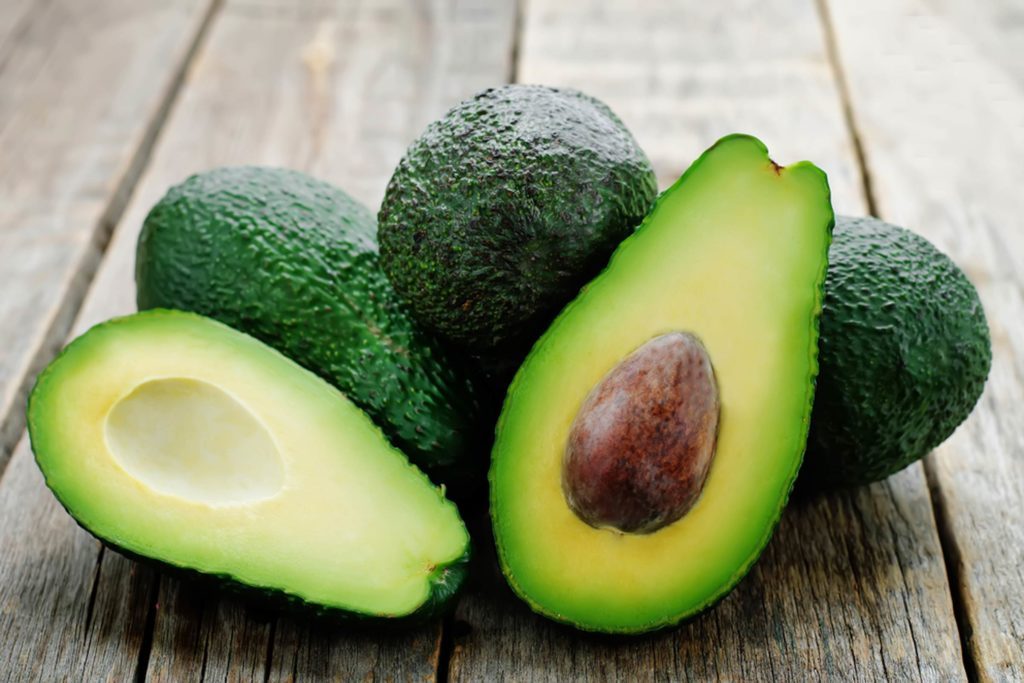
A single avocado provides very impressive nutrients that positively
impact nearly every part of your body, but especially your heart and
arteries. Fiber is a big one, as well as vitamin C, vitamin K and
folate. To start the litany of how well avocados reach your dietary
reference intakes (DRI), or how much you need to provide you with the
optimal amounts, Nutrition Data
18 provides data on the major nutrients one avocado contains and the percentage of daily values:
| Fiber — 54 percent |
Folate — 41 percent
|
| Vitamin C — 33 percent |
Vitamin B6 —26 percent
|
| Vitamin K — 53 percent |
Pantothenic acid — 28 percent
|
| Magnesium — 15 percent |
Potassium — 28 percent
|
Avocado slices are excellent on sandwiches and salads, topped with
mozzarella, basil and black pepper, mixed with salsa and chopped papaya
or with poached eggs.
Other foods containing magnesium include greens such as spinach,
romaine lettuce and Swiss chard, crucifers like broccoli, cauliflower
and Brussels sprouts, seeds and nuts, fatty fish, such as mackerel
and wild-caught Alaskan salmon, specific spices such as fennel, basil,
cloves, chives and cilantro, fruits including papaya, watermelon,
raspberries and strawberries, and grass fed yogurt.
Good potassium sources include beet greens, carrots, cantaloupe,
oranges and most of the foods listed above. If you’ve experienced any of
the symptoms listed, upping your intake of these foods can likely
improve them and may serve to relieve other problems as well.
Source:
healthy-holistic-living


