Showing posts with label Alcohol. Show all posts

Tuesday, May 2, 2017

The Best Beverages To Drink For Amazing Sleep Every Night


The Best Beverages To Drink For Amazing Sleep Every Night


Have you ever noticed that certain liquids make you feel energized while others cause you to feel sleepy? Well, that’s because the drinks you consume really do affect your level of alertness and the quality of your sleep.


As a Ph.D. diplomate of the American Board of Sleep Medicine, I’ve devoted 35 years to the study of human sleep and clinical sleep disorders. Here are the drinks I recommend avoiding for better shut-eye—and the beverages that will help boost your sleep:


The best drinks to boost your sleep:


Kết quả hình ảnh cho Cherry juice


Cherry juice in the evening may help you fall asleep faster. Night workers may also benefit from drinking tart cherry juice in the morning to help them sleep.


Chamomile tea
and passionfruit tea with a little honey, 90 minutes before bedtime, may make your sleep more restful.


Milk, 90 minutes before sleep, may also help you fall asleep (if you’re not lactose intolerant). Whether you warm it up or not is a personal preference—it has no effect on milk’s sleep-inducing properties, which are tied to the essential amino acid L-tryptophan.


Water is important to drink throughout the day for optimal health. However, drinking water right up until bedtime will stimulate your kidneys and you’re likely to wake up multiple times in the first few hours of sleep.


The drinks that will rob your sleep:

Alcohol             Kết quả hình ảnh cho Alcohol
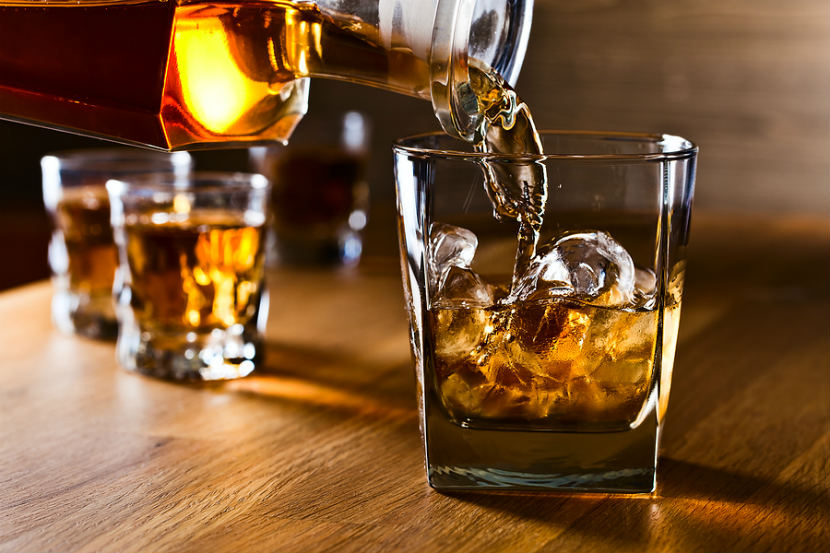


Of course, the initial effect of alcohol is typically a more relaxed and sleepy state. But alcohol near bedtime is actually disruptive to sleep. Many people will drink alcohol in the evening to relax after a stressful day at work and find themselves drifting off to sleep in a chair while watching TV. Depending on how long they sleep in the early evening, they can experience a lot of difficulty returning to sleep when they finally decide to go to bed for the night. Evening napping disrupts your internal clock’s timing of the main sleep period later in the night.


Some people specifically use alcohol as a sedative. And yes, they fall asleep fast. But once the alcohol has been metabolized—maybe three to four hours into sleep—they abruptly awaken and find it difficult to return to sleep. If they do manage to get back to sleep, the remainder of the night is typically characterized by fitful sleep with frequent awakenings and intense dreaming. The sleeper wakes up groggy, tired, and unrefreshed despite having been in bed for a full seven to eight hours.
Nighttime alcohol can also induce snoring in a sleeper who does not normally snore and increases the risk of obstructive sleep apnea.


Coffee                   Kết quả hình ảnh cho Coffee


Caffeinated coffee and soda are widely used for their ability to promote alertness and energy level. Unfortunately, the stimulant drug effect of caffeine is short-lived, and when it wears off in four hours, most people experience a fatigue or sleepiness rebound, which encourages only more caffeine to re-energize.


And so the cycle goes: larger and larger amounts of caffeinated coffee at three- to four-hour intervals throughout the day. The problem is that the stimulant effect of caffeine also increases your heart and respiratory rates, making you feel anxious and jittery right up to bedtime.


Heavy daily caffeine consumption and caffeinated drinks close to bedtime are very disruptive to falling and staying asleep in most people. Afternoon and nighttime caffeine will also aggravate any restless-leg symptoms you may have. Restless legs are uncomfortable creeping, crawling sensations in your calf muscles when you are sitting or lying still that force you to keep moving your legs. These are the folks who are constantly moving their legs and shifting their positions around during meetings, movies, or plays. Restless-leg symptoms tend to increase over the day and are particularly severe during the evening and at bedtime. If you have restless legs, consider eliminating caffeinated beverages altogether or at least after lunchtime.


How to cut down on caffeine: Switch to beverages that are half-caffeinated and half-decaffeinated. Confine your caffeine consumption to mornings up through lunchtime, with only decaffeinated beverages later in the day. Aim for a daily target of 10 to 12 ounces of caffeinated coffee or tea by the end of two weeks.


The bottom line:


When it comes to getting your best sleep, keep in mind that what you drink is just as important as when you drink it. Stop all caffeinated beverages after 2 p.m., and avoid alcohol before bedtime. Drinking tart cherry juice or chamomile or passionfruit tea with a little honey or milk 90 minutes ahead of bedtime may help you relax and fall asleep faster. Finally, stop drinking fluids one hour ahead of your bedtime—you’ll minimize sleep disruptions in the first few hours, when your sleep is typically deepest and most restorative.


Source: mindbodygreen

Sunday, July 3, 2016

The Hard Choice: Is Beer or Cider Better? | Greatist


I am primarily a wine drinker, but have always enjoyed a cold beer and the occasional Margarita on the rocks.  This year, after our beloved Jame's Gate closed, our group started frequenting the Brendan Behan, whose wine buyer is clearly not a wine drinker, so many of us who enjoy a good glass of red wine started to look for alternatives.  Thus, I have discovered two new beverages I prefer to beer. One is Ginger Libation, brewed here in Massachusetts. It is not a Ginger Beer, it is unique in taste, texture and refreshing quality, with a whopping 8% alcohol content. My other drink of choice is Downeast Cider, also a locally produced concoction with 6% alcohol content. Now that swimsuit season is here, I became curious about the nutritional caloric content of these fine beverages. ~PB


The Hard Choice: Is Beer or Cider Better? | Greatist


Beer has long held the place of America’s most beloved alcoholic beverage. But for an increasing number of Americans, hard apple cider is becoming the drink of choice. So what’s so special about the drink’s sweet composition and potential health benefits, and how do they compare to the benefits of beer? We dove into the bottle to find out.


What’s the Deal?
A staple in Britain before the Norman invasion, hard cider is now consumed across the globe (though the British continue to consume nearly half of all cider produced worldwide). Cider’s popularity in the United States waned after the 19th century introduction of German lagers, and declined further after Prohibition, but recently cider is making a comeback stateside. From festivals such as Pour the Core and New York Cider Week, to the growth of domestic brands like Boston Beer Company’s popular Angry Orchard, the US cider market is predicted to grow 65 percent between 2011 and 2016. The resurgence of cider prompts many to compare the beverage’s composition and potential health benefits to those of beer — especially as it’s increasingly popular as a gluten-free option for beer lovers who, well, can’t drink beer. But in terms of health benefits (and flavor) each drink is unique and it can vary greatly from bottle to bottle. Here’s how they’re different:


Ingredients

Hard cider and beer differ dramatically in their composition. Hard cider is made from a combination of yeast and apples — a superfood that provides vitamin C and antioxidants to protect the heart and reduce the risk of diabetes and asthma . Since most beers are free of fruit juice, their nutritional value looks different from that of cider: Beer’s composition of yeast, hops, barley, and other grains yield a variety of different antioxidants and nutrients. Beer contains more protein and vitamin B than wine or cider, and packs a good dose of potassium, too . Some beers may provide 10 percent of the total daily intake of folate, which is a necessary component of red blood cell formation and growth.


Health Benefits


The moderate consumption of alcohol (that’s one drink per day for women, and two for men) does have a number of potential health boons. Scientists have studied the health benefits of alcoholic beverages such as beer, wine, and spirits since the turn of the century for their ability to lower the risk of heart disease, cognitive decline, and dementia . However, the other nutrients found in beer and ciders play an important role in the healthiness of the beverages, too.


One study examining the antioxidant content of fruit juices, hard cider, and teas concluded that hard cider has the potential to contain as many antioxidants as wine. (However, within the study, the servings of cider evaluated were inexplicably larger than other drinks being tested, which may account for the large range of antioxidants attributed to hard cider.) These antioxidants (polyphenols, to be exact) have been linked to protecting against certain types of cancers, cardiovascular diseases, and neurodegenerative diseases . A study by the University of Glasgow compared two varieties of ciders using the same method of fermentation and production and found a huge range of polyphenol concentration, making it clear that the levels of polyphenols can vary significantly depending on the apple variety used.


In the beer-making process, naturally occurring polyphenols (usually found in hops and malt) are often removed by the brewer as they can cause beer to appear cloudy. This usually decreases the total polyphenol content, which means the astringency (the puckering feeling) found in ciders and red wines, is noticeably absent from beer. Compared to cider, beer falls behind in polyphenol concentration. However, a study by Oregon State University found that hops often contain flavonoids (a type of polyphenol compound), which provide antioxidant protection to cells . Beer’s health benefits extend to the heart, too: Italian researchers have found that the moderate consumption of beer reduces the risk of heart disease by 31 percent.


Sugar Content

The amount of sugar per bottle is a major difference between beer and hard cider. Beer is sugar-free, and sugar is typically only added in small quantities by brewers to balance sourness. Cider, however, can be quite high in sugar. Of the most popular brands of hard cider stateside there is a wide range of sugar content — ranging from Crispin’s 15g (three teaspoons) of sugar per serving, to Angry Orchard-Crisp Apple’s 23 grams of sugar (7 teaspoons of sugar). The varying sugar content of hard cider is a result of the fermentation process: Sweeter ciders are slowly fermented and repeatedly racked (moved to new containers) to strain the yeast that feeds on the cider’s natural sugars. Dryer ciders (meaning they contain less sugar) allow the yeast to consume the majority of cider’s natural sugars and result in a less sweet drink with a higher alcohol content (now we’re talkin’). Comparatively, the calories found in a bottle of beer or hard cider remain pretty similar, but ciders are typically higher in carbohydrates due to the higher levels of sugar. Few varieties have "lite" options, so on average ciders will be slightly higher in calories and carbohydrates.


Your Action Plan


When weighing your healthier happy hour options, it’s really a tossup between beer and hard cider. The antioxidant content of cider varies by apple type, and if a polyphenol-poor variety is used, you’ll ultimately need to drink more to reap its potential health benefits (spoiler alert: the extra calories and inevitable hangover are not worth the dose of antioxidants). Although beer is low in polyphenols, its nutritional value is bolstered by high levels of vitamin B, potassium, and folate.


Both beer and cider are calorie-rich drinks, with respectively high levels of carbohydrates. For any alcoholic drink to really be healthy, moderation is the name of the game. One bottle of a healthier beer, a lower-sugar cider, or a glass of wine can provide a good dose of antioxidants — so learn to savor just one drink.


If beer and wine aren’t your thing, consider a calorie-cutting cocktail from mojitos to lemondrops, or consult the Greatist guide, How to Choose the Healthiest, Beer, Wine, and Cocktails.


Tags: Beer Nutrition Facts Alcohol Health